 EN
EN TR
TR
 SA
SA


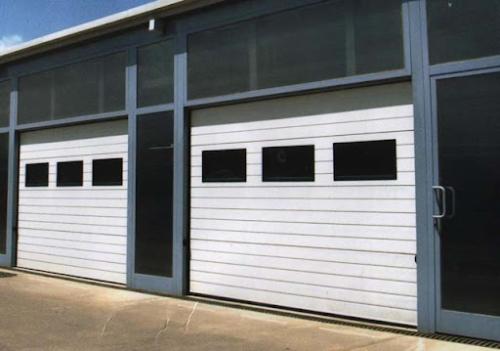


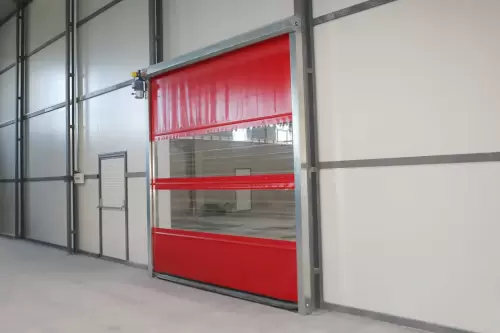


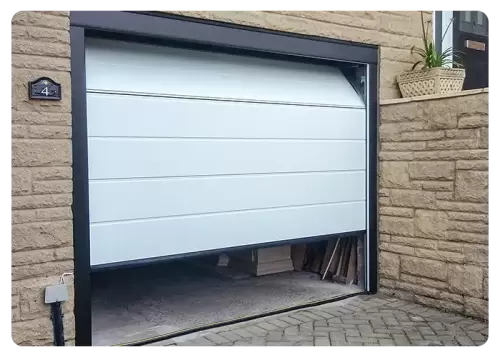
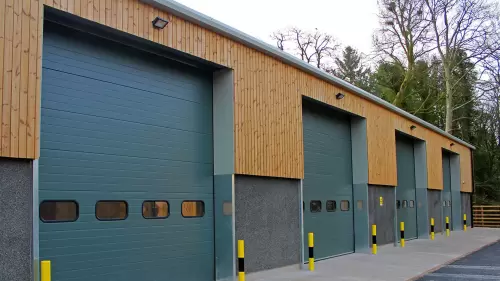
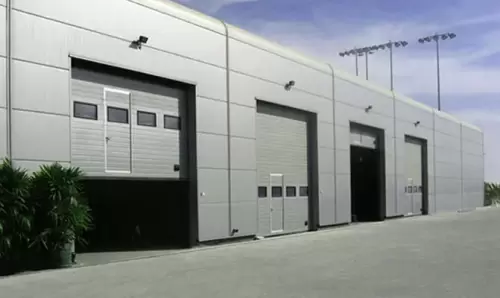


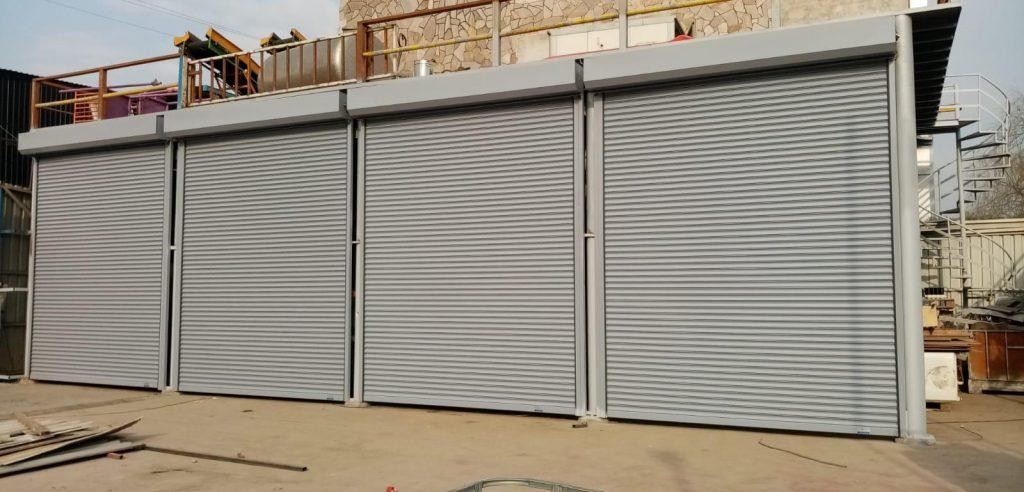
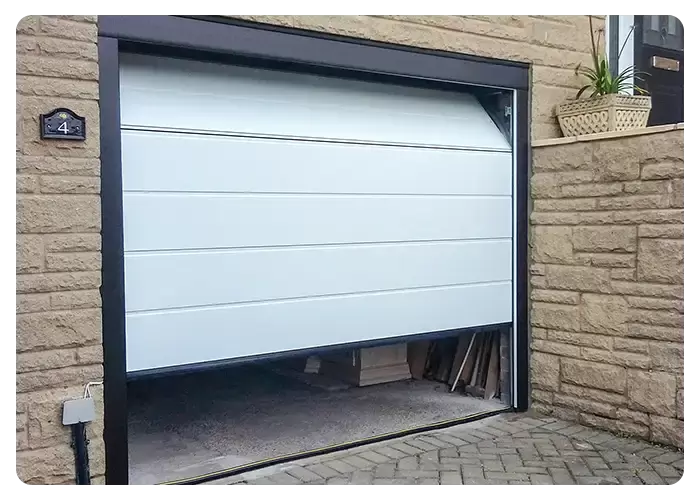
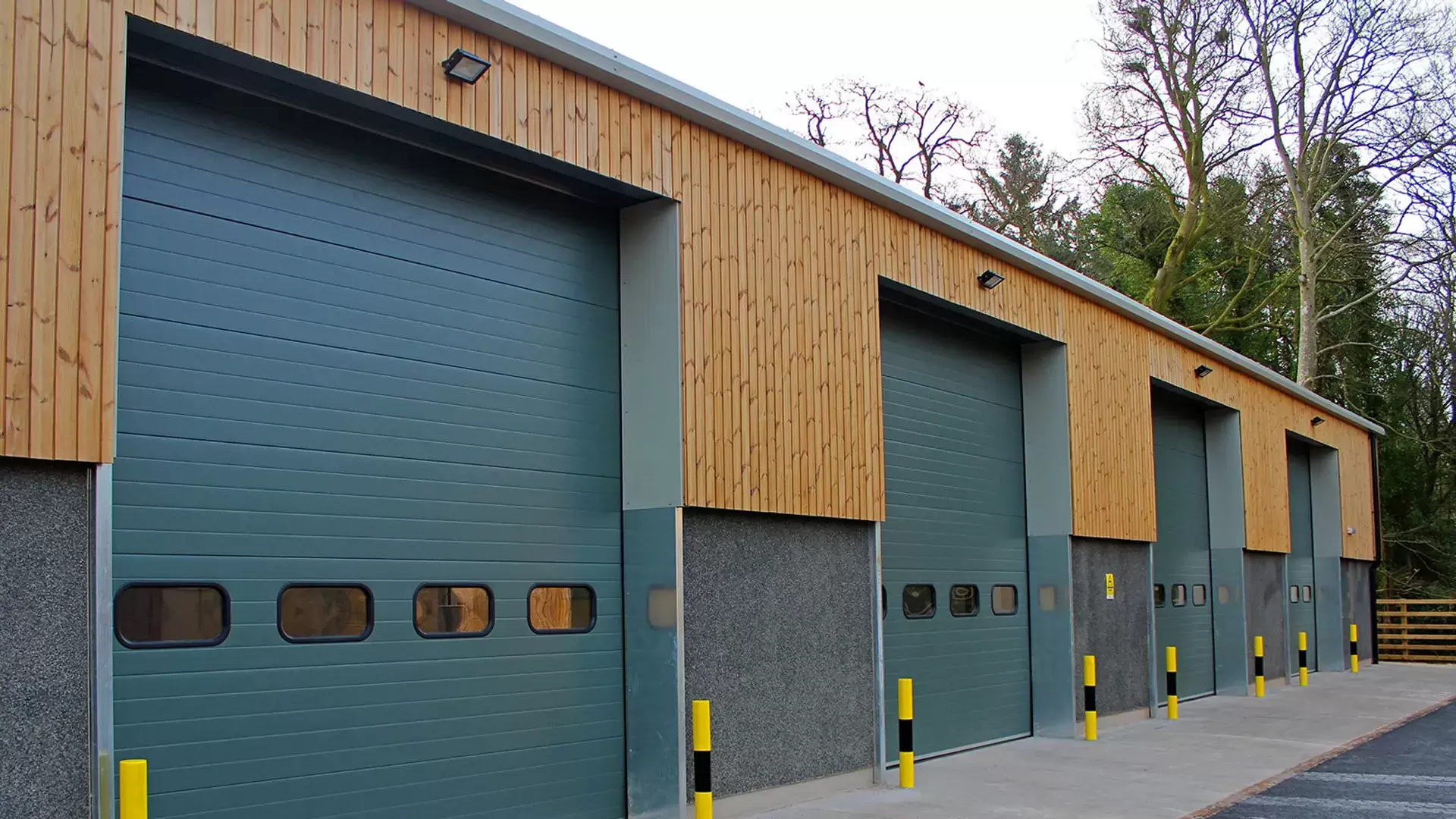


Automatic doors are systems designed to open and close at building entrances and exits. Some models operate by pressing a button, and these are commonly used in commercial spaces. The movement of automatic doors is powered by electricity and spring mechanisms. Equipped with sensors, these doors detect people or objects in the way, reducing impact force and preventing injuries. Among their many advantages, automatic doors also make life easier for people with disabilities, as wheelchairs and mobility-impaired individuals can pass through effortlessly.
Automatic doors are particularly beneficial in public buildings, hospitals, laboratories, and clinics, as they minimize physical contact and help prevent the spread of infectious diseases. In addition to saving space in buildings, they provide a modern and aesthetically pleasing appearance, making them ideal for both narrow and wide entrances.
Key Features & Advantages
-
Fast and Convenient Entry & Exit
→ Ensures quick opening and closing in high-traffic areas. -
Hygienic & Touchless Operation
→ Reduces physical contact, supporting a cleaner and safer environment. -
Energy Efficiency
→ Rapid door closure prevents heat loss, saving energy. -
Safety & Security
→ Sensor systems detect obstacles and prevent accidents. -
Aesthetic & Functional Design
→ Options include glass, aluminum, or custom finishes for modern appearances. -
Durability & Long Lifespan
→ Industrial-grade motors and mechanisms ensure years of uninterrupted use. -
Easy Maintenance
→ Modular design allows for straightforward maintenance and replacement.
Applications
-
Hospitals → Hygiene-focused entry solutions.
-
Shopping Malls & Retail Stores → High-performance systems for heavy foot traffic.
-
Offices & Plazas → Combines modern aesthetics with functionality.
-
Hotels, Restaurants, & Accommodation → Smooth and elegant entry solutions for guest satisfaction.
-
Villas & Residences → Wide-opening, elegant, and technology-equipped doors.
Types of Automatic Doors
-
Sliding Doors → Ideal for narrow spaces; quiet and fast operation.
-
Revolving Doors → Energy-efficient for high-traffic areas.
-
Folding Doors → Offers wide openings in compact areas.
-
Swing Doors → Combines classic look with automated convenience.
Installation Process
-
Needs Assessment & Project Planning
→ Determine door type, traffic, and space dimensions. -
Hardware Selection
→ Motor power, sensor type, materials, and design preferences. -
Installation & Calibration
→ Set up the system, adjust opening speed and sensor sensitivity. -
Testing & Commissioning
→ Safety and performance checks. -
Periodic Maintenance
→ Inspect and clean sensors, motors, and locking mechanisms.
Considerations
-
High Initial Cost → More expensive than manual doors but offers long-term benefits.
-
Dependence on Electricity → Manual override needed during power outages.
-
Maintenance & Calibration → Expert intervention required for motor or sensor issues.
-
Safety & Backup → Emergency manual operation or backup power recommended.
Selection Criteria
-
Door Type & Capacity → Consider width, traffic, and frequency of use.
-
Sensor & Detector Options → IR, microwave, or motion sensors for added safety.
-
Motor Power & Performance → Match motor to opening speed and durability needs.
-
Material & Aesthetic Options → Glass, aluminum, stainless steel, or composite surfaces.
-
Warranty & Technical Support → Ensure installation support and warranty coverage.
-
Spare Parts & Service Network → Availability of service for operators, sensors, and motors.
Conclusion
Automatic door systems provide comfort, safety, and energy efficiency in modern buildings.
→ With Elezse Yapı, access professional and reliable automatic door solutions.