 EN
EN TR
TR
 SA
SA
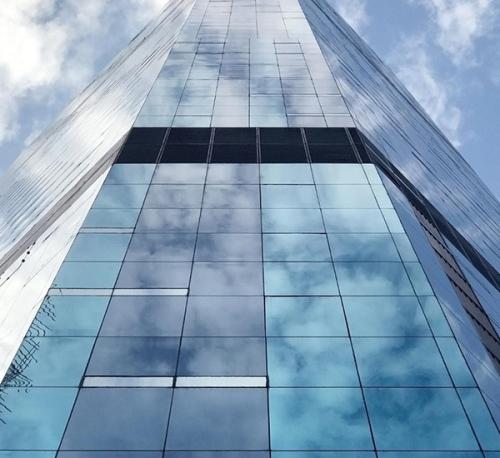


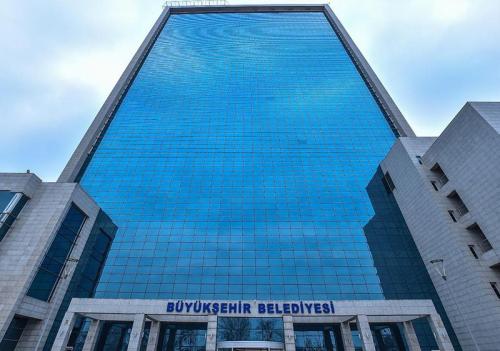

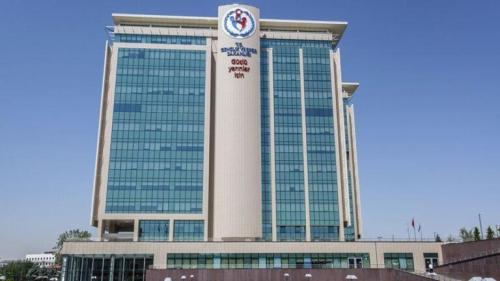

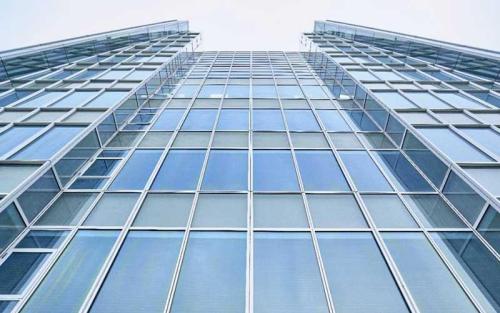


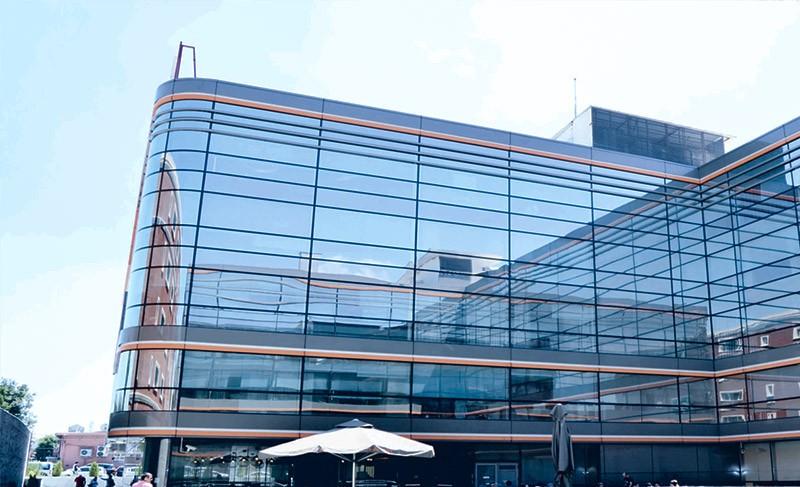
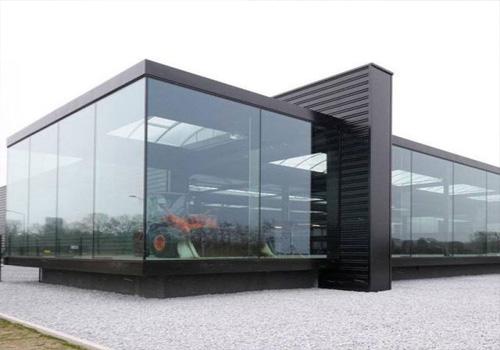


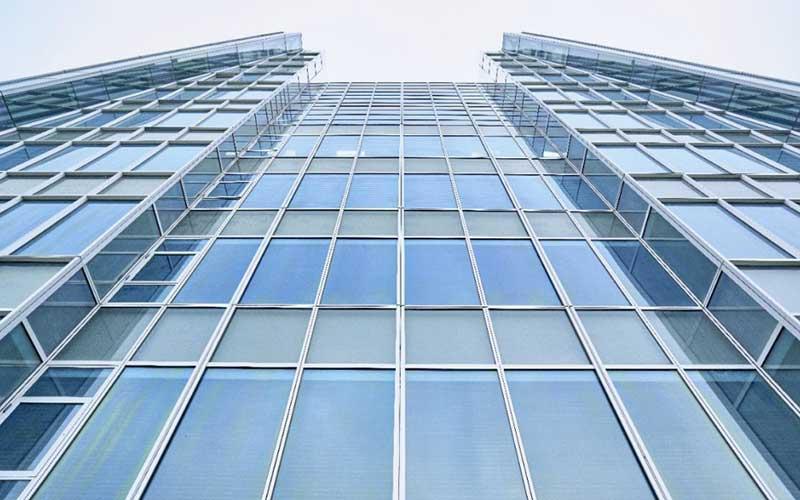


Glass facade systems are defined as the system consisting of load-bearing vertical profiles connected to anchors made of aluminum or galvanized steel attached to the floor concrete at the openings specified in the project on each floor, and horizontal transom profiles connected to the vertical load-bearing profiles with special connectors to hold and install glass panels at desired heights between these vertical profiles.
The system is named as such because, at the specified openings in the project, vertical aluminum façade profiles connected to galvanized steel anchors attached to each floor’s slab concrete, with the ability to install glass of desired height and width between these vertical profiles, and horizontal and vertical transom profiles connected with special connectors according to static calculations.
The silicone curtain wall system will be a structural silicone system in accordance with architectural projects. It consists of dilated load-bearing vertical elements mounted to the building with galvanized steel anchors that allow adjustment at the specified openings and each floor slab level as detailed, with special connectors for mounting insulated glass or composite panels at desired heights between these elements.
Insulated glass units made of tempered glass in desired colors such as Blue Reflective, Green Reflective, Bronze Reflective, Smoke Reflective, etc. are used.
From the outside, glass façade systems create a completely glass appearance without visible aluminum profiles.
Aluminum silicone façade systems integrate into a unity with cassette profiles and auxiliary elements.
In silicone façade systems, sealing between glass panels is provided with EPDM gaskets. There are alternative options for fillers or seals (gaps) between double glass panels in glass curtain wall systems.
Silicone curtain wall systems are preferred by many companies and architects because they provide high prestige and rich façade appearance and design to buildings and shopping malls.
If desired, hidden wing mechanisms can be used by applying wing profiles between modules to enable operable wing applications.

-
+90 533 258 35 20
-
info@elezseyapi.com.tr