 EN
EN TR
TR
 SA
SA

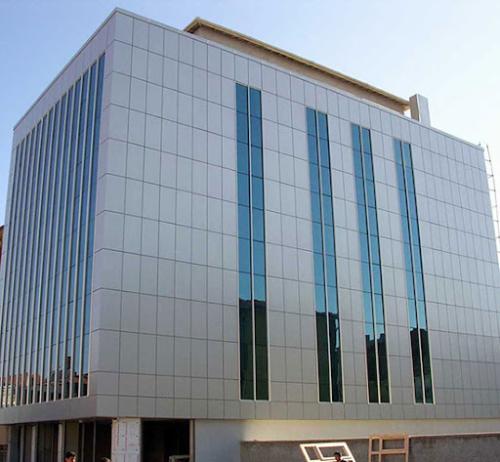

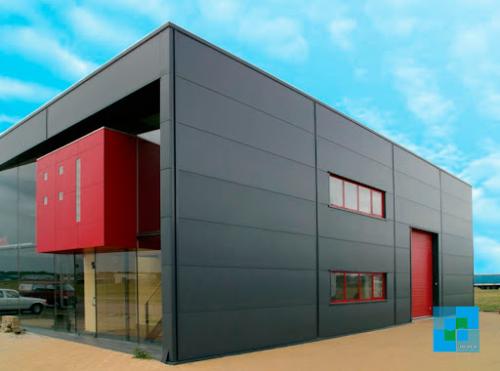
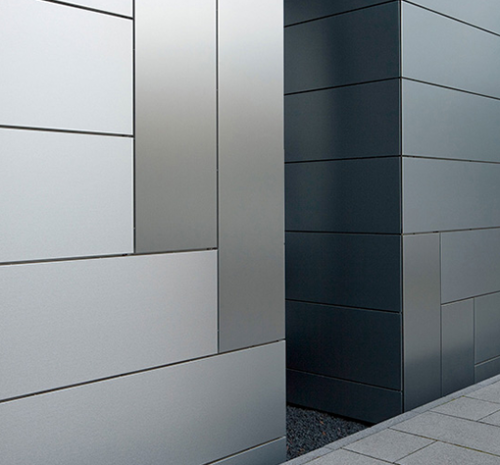


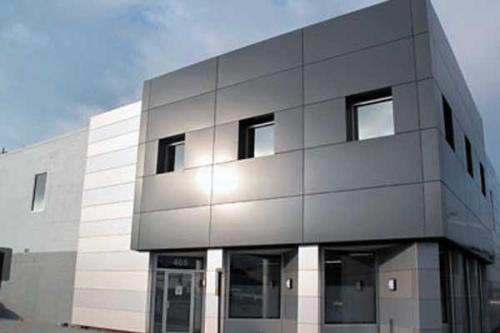


Aluminum composite panels (ACP) are made by sandwiching a polyethylene core between two aluminum sheets, creating a lightweight yet durable construction material. ACPs are highly versatile and widely used in buildings to meet functional and aesthetic needs. They are commonly applied in banks, hotels, shopping malls, metro stations, as well as for interior and exterior applications. ACPs are also popular for façade cladding, decorative surfaces, and advertising panels.
1. What is an Aluminum Composite Panel?
An aluminum composite panel consists of a sandwich structure with two thin aluminum sheets enclosing a polyethylene or mineral core. Panels are coated with UV-resistant paint and designed for both interior and exterior applications.
2. Technical Features & Advantages
Lightweight & High Strength
→ Durable aluminum construction reduces structural load and eases installation.
Aesthetic Options
→ Wide design flexibility: solid colors, metallic, wood-pattern, or glossy finishes.
Thermal & Acoustic Insulation
→ Core materials improve energy efficiency and provide sound insulation.
UV & Corrosion Resistance
→ Long-lasting durability in outdoor environments.
Fire Resistance
→ Mineral core panels offer enhanced safety for building design.
Easy Installation & Maintenance
→ Lightweight design allows for fast installation; panels are easy to clean.
Eco-Friendly
→ 100% recyclable material supports environmental sustainability.
3. Considerations & Limitations
Heat Sensitivity
→ Panels with low-cost cores may deform under high temperatures.
Installation Quality
→ Incorrect installation can lead to color fading, scratches, or water leakage.
4. Applications
-
Exterior Façade Cladding
→ Widely used in modern architectural projects for aesthetics and durability. -
Interior Decoration
→ Decorative walls, ceilings, and elevator interiors in offices, hotels, and malls. -
Signage & Advertising Panels
→ Smooth surface suitable for digital printing. -
Exhibition Stands & Industrial Use
→ Lightweight panels ideal for trade show stands, display systems, and industrial applications. -
Commercial & Public Buildings
→ Practical and aesthetic solution for stores, hospitals, hotels, and government buildings.
5. Selection Criteria
| Criteria | Description |
|---|---|
| Thickness & Core Type | 3, 4, 6 mm thickness; fire-resistant mineral core options |
| Surface Finish | PVDF, polyester, wood-pattern, metallic, or matte options |
| Color & Design | Aesthetic choice to match the project |
| Installation Method | Aluminum frame infrastructure; adhesive or screw mounting |
| Manufacturer Certification | Prefer TSE, ISO, or other quality-certified brands |
| Price Evaluation | Depends on raw material quality, brand, and manufacturing country |
6. Application Process
-
Design planning (color, pattern, installation direction)
-
Panel cutting and bending (CNC or manual cutting)
-
Substructure preparation (aluminum profiles or carrier system)
-
Panel installation (carried with protective film, attached via adhesive or screws)
-
Cleaning and maintenance (use UV cleaning products if necessary)
7. Conclusion
Aluminum composite panels offer aesthetic flexibility, lightweight durability, and energy efficiency, making them an ideal choice for architectural projects. With careful selection and professional installation, ACPs provide long-lasting, visually striking results. Always consult a reliable manufacturer and installation specialist before using ACPs in your projects.